

So, you're watching the Edmonton Oilers battle through the Stanley Cup Playoffs, and you notice something… fuzzier than usual. Players who are typically clean-shaven start to look like they’re auditioning for a lumberjack competition. What gives? Welcome to one of the most beloved and visible traditions in all of sports: the NHL playoff beard. It's a superstitious ritual that binds teams and fans together during the grueling quest for the Cup. For Oilers fans, seeing that collective scruff grow on players like Connor McDavid and Leon Draisaitl is a badge of honor, a sign that the battle is on. Let's break down the key terms and lore behind this hairy tradition.
Playoff Beard
The playoff beard is a superstitious practice where NHL players stop shaving during their Stanley Cup Playoffs run. The idea is that the team will continue to win as long as the beard grows, with players only shaving it off after they are eliminated or, ideally, after winning the Stanley Cup. It’s a symbol of unity, sacrifice, and singular focus on the ultimate prize.
Superstition
In hockey, superstition is a deeply ingrained part of the culture, influencing everything from pre-game routines to equipment rituals. The playoff beard is perhaps the most famous example, born from a belief that changing anything during a winning streak—including one’s appearance—could "jinx" the team’s momentum and luck.
Stanley Cup Playoffs
The Stanley Cup Playoffs is the NHL’s postseason tournament, where 16 teams compete in four best-of-seven rounds to win the Stanley Cup. For the Edmonton Oilers and their fans, this is the time of year when every shift, every goal, and every save is magnified under intense pressure.
Stanley Cup
The Stanley Cup is the oldest professional sports trophy in North America and the ultimate goal of every NHL season. Winning it is a career-defining achievement, and the playoff beard tradition is intrinsically linked to the arduous journey required to earn the right to lift it.
Tradition
The playoff beard is a tradition that dates back to the early 1980s, popularized by the New York Islanders during their dynasty years. It has since been adopted league-wide, becoming an unofficial but universally recognized symbol of the NHL postseason.
Team Unity
Growing a playoff beard is a powerful display of team unity. It creates a visual bond between players, showing that they are "all in" together for the common goal. When you see the Edmonton Oilers bench, the collective scruff signifies a brotherhood committed to the grind.
Connor McDavid
For Captain Connor, the playoff beard is a visible transformation that mirrors his elevated play in the postseason. As the leader of the Edmonton Oilers, his commitment to the tradition sets the tone for the entire locker room, symbolizing a shift into playoff mode where individual accolades take a backseat to team success.
Leon Draisaitl
Draisaitl, known for his prolific scoring, is another Oilers star whose beard becomes a focal point each spring. His ability to dominate in the postseason, often playing through injuries, is complemented by a growing beard that signifies his toughness and dedication to the Oilers playoff run.
Rookie Hazing (Historical Context)
In the tradition’s early days, veterans would sometimes tease rookies who couldn’t grow full beards, calling their patchy facial hair "playoff peaches" or "baby fuzz." While this hazing aspect has softened, it highlighted the rite of passage the postseason represents for young players.
Shave-off Party
The most desirable conclusion to the beard journey is the championship shave-off party, where players finally shave after winning the Stanley Cup. The less fun alternative is the elimination shave, when a team’s run ends and the beards come off, marking the somber end of the season.
Rogers Place
The home arena of the Edmonton Oilers becomes a sea of orange and blue during the playoffs, with many fans in the crowd also sporting fake or real beards in solidarity with the team. The energy in the building is electric, fueled by this shared symbol of belief.
Fan Participation
Oilers fans enthusiastically participate in the tradition, growing their own beards or donning fake ones to show support. This blurs the line between the team and its community, creating a powerful, unified "Sea of Orange" all committed to the same superstitious cause.
The Grind
The playoff beard is a physical manifestation of "the grind"—the long, grueling, and often brutal two-month journey of the Stanley Cup Playoffs. Each extra week of growth represents another series won, another challenge overcome.
Media Spotlight
As a series progresses, players’ beards often become a topic of discussion in the media, with reporters joking about their length or neatness. This adds a layer of fun and personality to the intense playoff coverage surrounding teams like the Oilers.
Western Conference
The battle through the Western Conference is the first major hurdle for the Edmonton Oilers. The growing beards on players symbolize the wars fought against tough divisional rivals on the path to the Stanley Cup Final.
Kris Knoblauch
The Oilers head coach, Kris Knoblauch, often partakes in the tradition as well. While his stubble might not get as legendary as the players’, his participation reinforces the all-hands-on-deck, unified mentality required for a deep playoff run.
Stuart Skinner
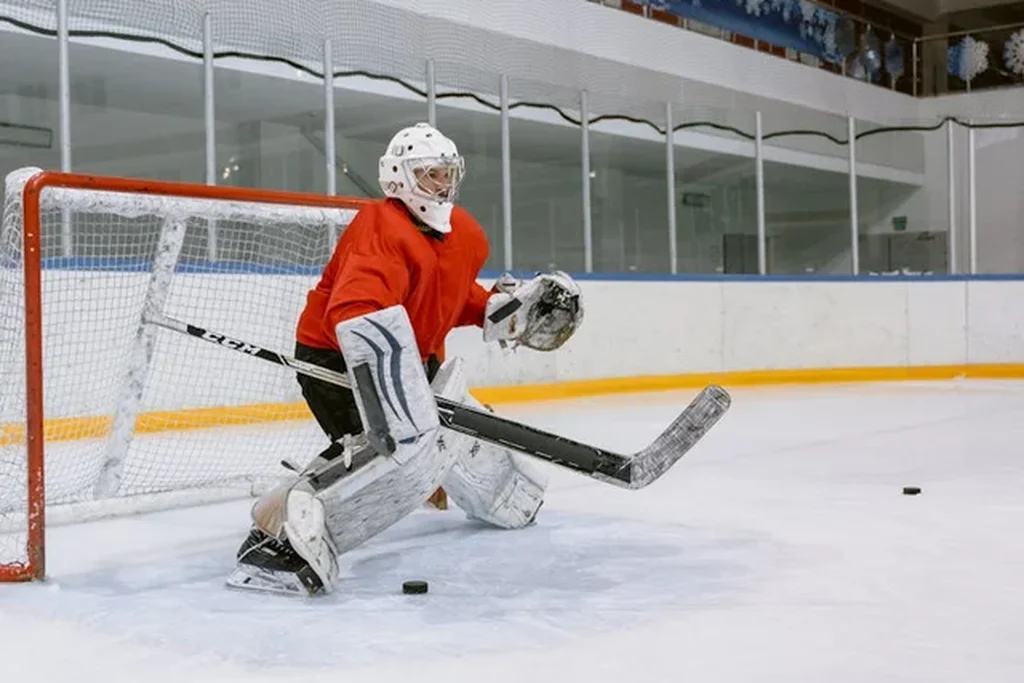
For a goaltender like Stuart Skinner, the playoff beard is part of the battle armor. As the last line of defense, his growing beard coincides with the increasing pressure of each round, becoming a symbol of his resilience in the Oilers net.
Superstitious Ritual
Beyond just beards, players have countless superstitious rituals—from wearing the same gear to eating the same meals. The beard is simply the most visible and communal of these practices, a shared superstition that the whole team buys into.
Playoff Performer
A "playoff performer" is a player whose game elevates when the stakes are highest. For the Oilers, Connor McDavid and Leon Draisaitl are the epitome of this, and their prominent beards become synonymous with their clutch scoring and leadership.
Symbol of Sacrifice
The playoff beard symbolizes the personal sacrifices players make during the postseason: time away from family, playing through pain, and foregoing personal comfort for the team. It’s a hairy badge of honor.
Cultural Phenomenon
What started as a hockey superstition has become a broader cultural phenomenon, inspiring similar traditions in other sports like baseball’s "playoff beards." However, its deepest roots and most iconic displays remain firmly in the NHL.
Connor Brown
A depth player like Connor Brown embodies the tradition perfectly. His role and his beard growth are both about the collective effort; every blocked shot and every shift of relentless forechecking is part of the shared sacrifice the beards represent.
Legacy
For franchises like the Edmonton Oilers with a storied history, the playoff beard connects current teams to past legends. It’s a timeless ritual, linking the quests of McDavid and Draisaitl to those of Gretzky and Messier in the 1980s.
The Itch
An often-discussed but accepted downside of the tradition is "the itch." As beards get longer, they can become hot and uncomfortable under helmets, but players endure it as a small price to pay for continued playoff success.
In the end, the NHL playoff beard is so much more than just not shaving. It’s a story told in whiskers. For the Edmonton Oilers and their fans, each passing round adds another layer to that story—a story of hope, unity, and the relentless pursuit of glory. It’s a fun, binding tradition that makes the high-stakes drama of the Stanley Cup Playoffs feel a little more human, and a lot more hairy. As long as the beards are growing on the ice at Rogers Place, the dream is very much alive.
Reader Comments (0)