

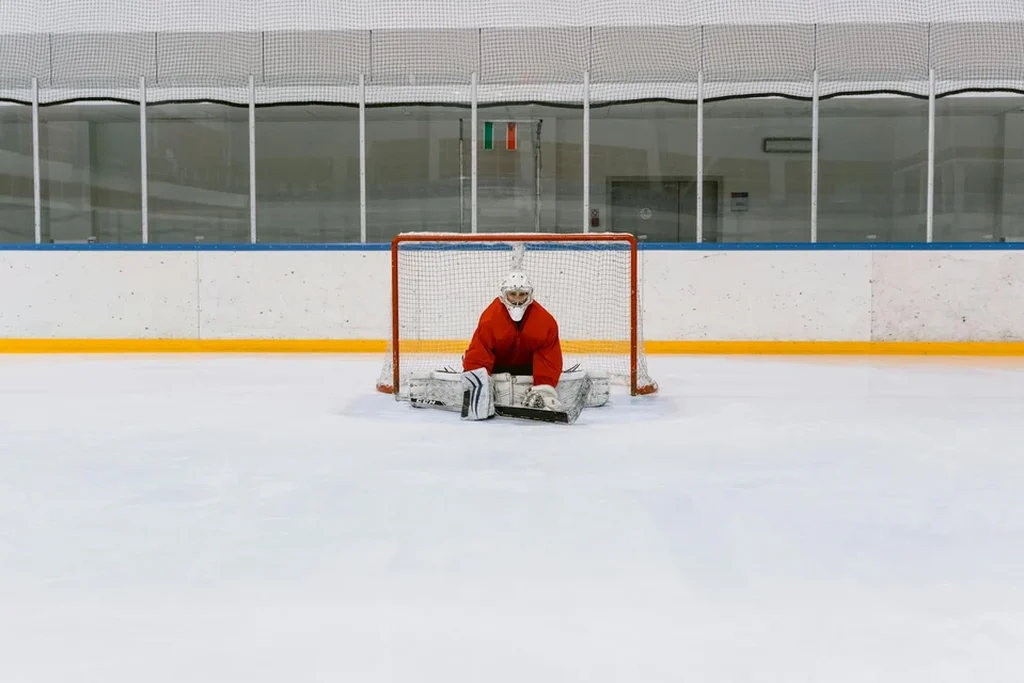
Alright, let's break down the language of the most intense time in hockey. If you've ever watched the Edmonton Oilers in a playoff game that just... wouldn't... end, you've experienced the unique thrill and tension of NHL postseason overtime. The rules shift, the pressure skyrockets, and every shot could be the last. This glossary will help you understand all the terms that come into play when the clock hits zero in a tied playoff game.
Sudden Death Overtime
This is the core rule for playoff overtime. The first team to score a goal wins the game immediately, ending it "suddenly." This creates unparalleled tension, as every rush up the ice could end the series. It's a stark contrast to the regular season, which uses a shootout.
Continuous Overtime Periods
Unlike the regular season, playoff overtime isn't limited to a single five-minute frame. Teams play full 20-minute periods until someone scores. There are no shootouts here; the game continues in this marathon format, which can lead to legendary multi-overtime battles.
Intermission
The break between the third period and the first overtime is a full 15-minute intermission, just like between regular periods. This gives teams like the Oilers time to regroup, rehydrate, and adjust strategy with head coach Kris Knoblauch. After each subsequent overtime period, there is a shorter break.
Long Change
In the second period of every game, and in every second overtime period (2nd OT, 4th OT, etc.), teams defend the goal farther from their bench. This "long change" makes line changes riskier and can lead to more fatigue-induced mistakes, impacting team performance dramatically.
Icing
The standard icing rule applies in overtime. A team cannot shoot the puck from behind the center red line all the way down past the opponent's goal line. This prevents teams from just dumping the puck to relieve pressure, forcing more deliberate play.
Offside
The offside rule remains in full effect. An attacking player cannot precede the puck into the offensive zone. This maintains the structure of the game and prevents players from simply camping out near Stuart Skinner or the opposing goaltender.
Penalty
Penalties are still called in overtime. If a player takes a minor penalty, the opposing team gets a full two-minute Power Play. Scoring on this man advantage is often a surefire way to end the game, making discipline absolutely critical.
Power Play
A team with a skater advantage due to a penalty. For a team with weapons like Connor McDavid and Leon Draisaitl on the same unit, an overtime Power Play is a golden opportunity to end the game quickly and is a huge part of any successful Stanley Cup run.
Penalty Kill
The team playing shorthanded. A successful kill in overtime can provide a massive momentum swing. Players like Connor Brown are often relied upon for their defensive hustle and smart plays to kill off these crucial two minutes.
Line Changes
Managing shifts becomes a science in overtime. Coaches try to get favorable matchups and keep their star players fresh. You'll often see shorter, more frequent shifts for top lines to ensure Connor McDavid has the energy to create a game-breaking play.
Goalie Interference
This rule is scrutinized even more closely in overtime. A goal can be disallowed if an attacking player impedes the goaltender's ability to make a save, even incidentally. These reviews are heart-stopping moments for any fan.
Coach's Challenge
Teams can challenge a goal for offside or goalie interference. However, if the challenge fails, the team is assessed a minor penalty for delay of game—a massive risk to take in a sudden-death format.
Zamboni Flood
After every period, including overtime periods, the ice is resurfaced by the Zamboni. This is crucial in multi-overtime games to maintain safe and playable ice conditions, especially at a home arena like Rogers Place.
Game-Winning Goal (GWG)
The goal that ends the overtime period. The player who scores it is credited with a game-winning goal, a key stat that highlights clutch postseason performers. These are the moments that define a player's legacy in the Stanley Cup Playoffs.
Multi-Overtime Game
Any game that requires more than one full overtime period to decide. These are epic marathons that test endurance, depth, and willpower. They become instant classics in NHL playoff lore.
Series-Clinching Goal
A goal that not only wins an overtime game but also wins the playoff series. It's the ultimate dramatic finish, sending one team to the next round and ending another team's season.
Overtime Goalie Duel
When both goaltenders, like Stuart Skinner and his counterpart, are making spectacular save after save, refusing to let the game end. These duels often define a series and elevate a goalie's status.
Sudden Victory
Another term for the sudden-death format. It emphasizes the winning side's triumph rather than the loser's defeat. A "sudden victory" for the Oilers sends the home crowd into a frenzy.
End-to-End Action
A common descriptor for overtime play. With so much at stake, teams often trade high-quality scoring chances in rapid succession, leading to breathtaking, back-and-forth hockey that is exhausting to play and thrilling to watch.
Momentum Swing
A shift in the game's energy and control. In overtime, a huge save, a big hit, or a near-miss can create a massive momentum swing that often leads directly to the game-winning goal shortly after.
Overtime Hero
The player who scores the game-winning goal in overtime. This player is celebrated for their clutch performance under extreme pressure, forever etching their name in the history of that particular playoff series.
Playoff Beard
A superstitious tradition where players stop shaving during their team's Stanley Cup Playoffs run. The longer the run—and the more overtime games—the more legendary the beards become.
Handshake Line
The traditional post-series ritual where players line up and shake hands with their opponents. After a grueling, multi-overtime series-clinching game, this sportsmanship moment carries significant weight and respect.
Understanding these terms heightens the drama of every extra period. For the Edmonton Oilers and their fans, mastering the nuances of playoff overtime is part of the journey. It’s where legends are made, from the overtime hero who finds the net to the goaltender who stands tall. Every rule and scenario adds a layer to the incredible tension that makes the Stanley Cup Playoffs the most exciting tournament in sports. Want to see how the Oilers have fared in these high-pressure moments? Dive into their complete playoff history.
/oilers-playoff-runs-history
/what-is-a-playoff-series-sweep
//article/what-is-a-bone-spur-why-you-might-have-one-and-what-to-do-about-it
Reader Comments (0)