

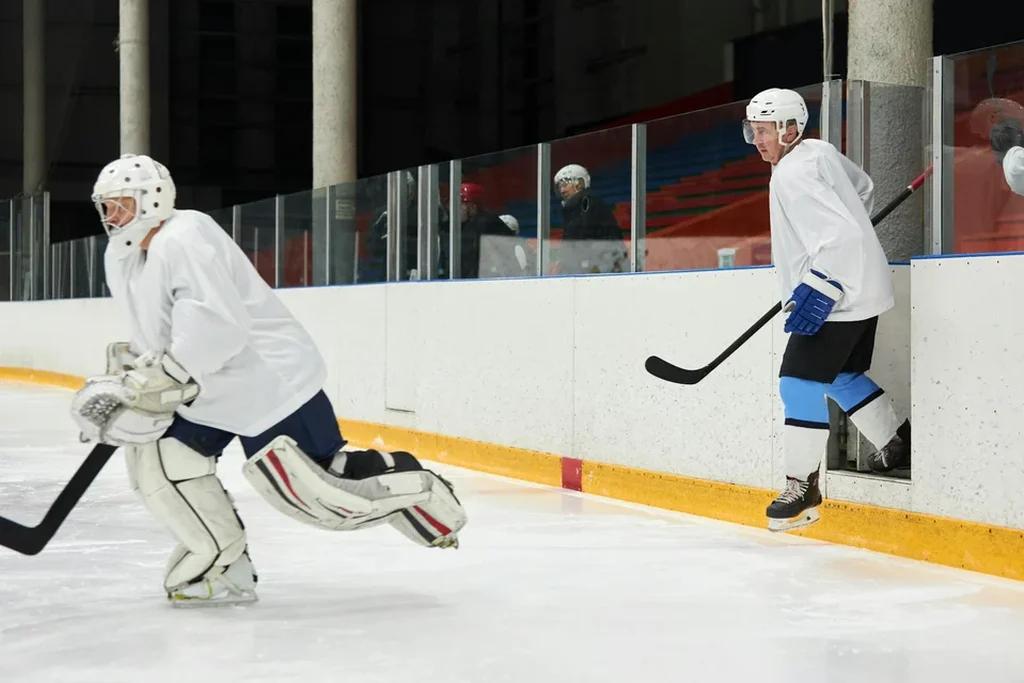
Inside the Locker Room: Oilers Leadership & Team Dynamics
Ever wonder what really makes the Edmonton Oilers tick? We see the highlight-reel goals, the electric atmosphere at Rogers Place, and the intense pressure of the Stanley Cup Playoffs. But the engine driving this high-performance machine is found behind the closed door of the locker room. It’s a complex, ever-evolving ecosystem of leadership, trust, and shared purpose. For a team with championship aspirations, chemistry isn't just a bonus—it's a necessity. This guide pulls back the curtain on the people, the hierarchy, and the intangible bonds that are just as crucial to the Oilers' success as a lethal Power Play.
Understanding this dynamic is key to appreciating not just what the Oilers accomplish, but how they do it. It’s the foundation of the entire Oilers culture & fan community.
The Captain's Corner: The Connor McDavid Effect
At the absolute center of the Oilers universe is Connor McDavid. Wearing the "C" is about far more than just being the best player in the world. His leadership style has evolved from leading purely by breathtaking example to becoming a more vocal, demanding, and nurturing force.
Setting the Standard: McDavid’s work ethic is legendary. His off-season training regimens are the stuff of myth, and his practice intensity is known to be game-like. When your captain outworks everyone, it creates a non-negotiable baseline for the entire roster. You don't just follow 97; you try to keep up.
Quiet Authority & Public Support: McDavid isn't a fire-and-brimstone speech giver in the media. His leadership is often seen in moments of public support for teammates—defending Stuart Skinner after a tough loss, or praising the efforts of role players. This builds immense loyalty. He shoulders the blame and deflects praise, a classic trait of a leader who puts the team first.
The Evolution: Winning multiple Hart Memorial Trophy and Art Ross Trophy awards cemented his on-ice status. But recent playoff runs have shown a different side: a more emotionally expressive leader, one who understands that motivating 20 different personalities requires more than just speed and skill.
The Leadership Group: More Than Just Letters
While McDavid is the captain, the Oilers' leadership is a distributed network. The alternate captains and veteran core form a critical support system.
Leon Draisaitl is the co-engine. His relationship with McDavid is the most discussed duo in the NHL, but its strength lies in a deep, mutual respect and a shared, singular goal. Draisaitl leads with a stoic, competitive fury. He’s the player who will score a clutch goal, make a gritty defensive play, and hold teammates accountable with a look. He is the perfect complementary force to McDavid’s captaincy.
Beyond the stars, players like Connor Brown and other seasoned veterans bring a specific kind of glue. Brown, known for his relentless penalty-killing and work ethic, embodies the "details" mentality. This group helps translate the standards set by the stars into the daily habits of the entire room, ensuring the message resonates from the first line to the fourth line.
The Coach's Voice: Kris Knoblauch's New Blueprint
When Kris Knoblauch took over behind the bench, he wasn't just installing new systems; he was becoming a new voice in the leadership dynamic. His approach has been pivotal.
Calm Under Pressure: Knoblauch’s steady, analytical demeanor provided a stabilizing force during the turbulent middle of last season. In a market like Edmonton, where external noise is constant, a coach who projects calm is invaluable for keeping the room focused.
Communication & Clarity: His success is often attributed to clear communication and putting players in positions to succeed. He manages egos and ice time while fostering a "next man up" mentality. This builds trust—players believe in the plan and their role within it.
Bridge to the Room: The head coach is the crucial link between management's vision and the player-led locker room. Knoblauch’s ability to collaborate with his leadership group, to listen to McDavid and Draisaitl, and to implement a style that maximizes their talents, has been a masterclass in modern coaching dynamics.
Building the Bond: Rituals, Trust, & the Grind
Leadership sets the tone, but team chemistry is built in the mundane moments and shared experiences. This is the fabric of the locker room.
The Road Trip Crucible: The NHL schedule is a grind, especially for a Western Conference team. Those long road trips, flights, and hotel stays are where inside jokes are born, card games are played, and real friendships solidify. This off-ice camaraderie directly translates to on-ice trust—knowing a teammate will be in the right spot because you know them.
Accountability Partnerships: It’s not always the stars calling each other out. Often, it’s defensive partners, or forward lines holding their own mini-meetings. This peer-to-peer accountability, where the message comes from beside you rather than above you, is far more powerful.
Embracing the Edmonton Experience: Leaders and the organization actively work to make players and their families feel at home. This includes integrating them into the passionate Oilers game day experience & community, which creates a deeper investment in the city and the team's success.
The Goaltender's Unique Fortress
The goalie is often an island, but their integration into the team dynamic is critical. Stuart Skinner’s journey from hometown kid to playoff starter is a story of mental resilience. The leadership group’s very public support of Skinner during tough stretches—like McDavid’s famous "we win as a team, we lose as a team" defense—is a direct strategy to bolster his confidence and insulate him from external pressure. How the skaters rally around their goalie, block shots, and defend his crease is a direct reflection of locker-room unity.
Pressure as a Unifying Force: The Playoff Crucible
The Stanley Cup Playoffs amplify everything. Pressure exposes cracks or forges unbreakable steel. The Oilers' recent deep runs have been a testament to the latter.
Shared Adversity: Facing elimination, battling through injuries, and overcoming bad bounces create a "us against the world" mentality. The locker room becomes a sanctuary. You see it in the way players like Draisaitl play through obvious pain, setting a sacrifice level that everyone else must meet.
Role Player Elevation: Championship runs are defined by unsung heroes. When a depth player scores a big goal, the eruption from the bench and the celebration led by the stars shows a genuine, shared joy. It proves every role is valued, creating a powerful incentive for everyone to buy in completely.
Learning from Loss: The heartbreak of a Game 7 loss, like the kind seen in other sports (think of the tension in NASCAR, where drivers clash post-race), can either fracture a group or fuel it. For the Oilers, the evidence points to the latter. The focus shifts from "what we lost" to "what we owe each other," hardening the resolve for the next campaign.
Practical Glimpses: What Does Strong Leadership Look Like?
You can see these dynamics in action if you know where to look:
On the Bench: Watch after a goal against. Who is talking to the group? Is it McDavid gathering the forwards? Is it a defenseman talking to Skinner? The communication is constant.
In Post-Game Interviews: Listen for the language. It's rarely "I," it's "we." Players consistently mention "our room," "our goalie," "our guys." This is a coached but deeply ingrained mindset.
* The Handshake Line: After a playoff series win or loss, observe the interactions. The long embraces, the head taps—they reveal the genuine connections forged over an eight-month war.
Conclusion: The Intangible Edge
The Edmonton Oilers are built on a foundation of generational talent. But talent alone doesn't navigate the marathon of an NHL season or the brutal gauntlet of the Stanley Cup Playoffs. That requires a world-class locker room ecosystem.
It’s the synergy between McDavid’s driven excellence, Draisaitl’s fierce partnership, Knoblauch’s steady hand, and the buy-in from every single player wearing the orange and blue. It’s the trust built on long flights, the accountability born in practice, and the collective hunger nurtured by past playoff pain. They aren't just a collection of all-stars; they are a team, with all the complex, powerful, and human dynamics that word implies.
This internal culture is what turns high expectations into achievable missions. It’s the reason the roar inside Rogers Place feels like more than just noise—it feels like a partnership between the team and the city. The leadership has built a bridge from the locker room to the stands, and that connection might just be the final, crucial piece needed to complete the ultimate journey.
What do you think is the most important ingredient in the Oilers' locker room? Is it McDavid's example, the veteran support, or something else entirely? Dive deeper into the heart of the franchise by exploring our hub on the Oilers culture & fan community.
Reader Comments (0)