

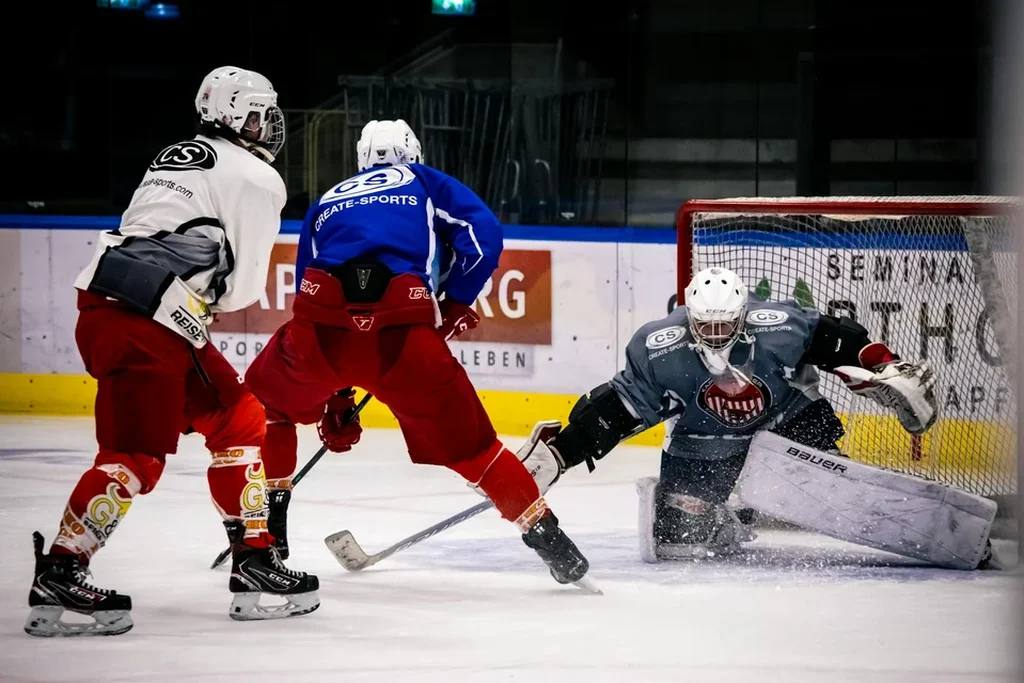
Hockey Equipment Glossary: Gear & Terms Explained
For fans of the Edmonton Oilers and the NHL, understanding the intricacies of hockey extends beyond the score sheet. The equipment players use is a sophisticated blend of technology and tradition, designed for peak performance and critical protection. From the gear that helps Connor McDavid achieve breathtaking speed to the tools that allow Stuart Skinner to make game-saving stops, each piece has a specific name and purpose. This glossary explains the essential gear and technical terms, providing a deeper appreciation for the game played at Rogers Place and across the National Hockey League.
Stick
The primary tool for handling the puck. Modern sticks are typically made from composite materials like carbon fiber, offering a superior blend of lightness, durability, and flex for powerful shots. Players select a stick based on flex rating, curve pattern, and lie (the angle between the blade and shaft) to suit their style, whether it's the pinpoint passing of Leon Draisaitl or the deceptive releases common on the Oilers' Power Play.
Skates
Specialized boots with attached blades that are the foundation of a player's mobility. They are rigid to provide ankle support for powerful strides and sharp turns, with blades that are hollow-ground to create two sharp edges for gripping the ice. The speed and agility they provide are fundamental to the fast-paced action of the Stanley Cup Playoffs.
Helmet with Cage/Visor
A mandatory piece of safety equipment designed to protect the head from impacts and pucks. The hard plastic shell is lined with foam for impact absorption. Players must wear either a full face cage or a visor; a visor is a clear plastic shield that protects the eyes while offering an unobstructed view, crucial for playmakers like Connor McDavid surveying the ice.
Shoulder Pads
Protective gear covering the shoulders, chest, upper back, and arms. They are constructed with hard plastic caps over layered foam to absorb and disperse impact from checks, falls, and puck strikes. Their design allows for a full range of motion, which is vital for shooting and stickhandling.
Elbow Pads
Essential for protecting the elbow joint and forearm from direct impact with the ice, boards, or other players. They feature a hard plastic outer shell over cushioned padding and are strategically articulated to allow for bending while maintaining protection during physical play in the Western Conference.
Gloves
These protect the hands, fingers, and wrists while allowing for dexterity to grip the stick. The backhand is heavily padded with plastic inserts, while the palm is made of leather or synthetic material for durability and puck feel. A player's gloves are a highly personal piece of equipment.
Pants (or Girdle)
Also known as hockey pants or breezers, they protect the hips, thighs, tailbone, and kidneys. They consist of a padded inner girdle worn under a durable, tear-resistant outer shell. The protection they offer is critical when players are battling along the boards.
Shin Guards
Perhaps the most frequently struck piece of equipment, they protect the shins, knees, and part of the calf from puck impacts and stick slashes. They consist of a hard plastic outer shell with foam padding inside and are worn under the socks. Goaltenders like Stuart Skinner wear significantly larger, specialized versions.
Cup (or Jill)
A protective device worn to shield the groin area from serious injury from puck or stick impacts. It is an absolute necessity for all players, male and female, at every level of the sport.
Jersey and Socks
The team's uniform. The jersey is a lightweight, tear-resistant sweater worn over all padding, while the socks are long knit tubes that cover the shin guards. For the Oilers, donning the iconic blue and orange is a point of immense pride.
Goalie Mask
A helmet specifically designed for goaltenders, offering full facial protection. Modern masks are custom-molded from fiberglass or carbon fiber and feature a protective cage or reinforced see-through shield. They are famously personalized with paint jobs representing team logos or personal themes.
Blocker
Worn on the goalie's stick hand, this rectangular pad is used to deflect shots and control rebounds. It has a flat, hard surface and is also used to handle the puck, often in partnership with the goalie stick.
Catcher (or Trapper)
Worn on the goalie's non-stick hand, this oversized glove is designed to catch and secure the puck. Its deep pocket and webbing allow goalies to cleanly glove high-speed shots, a skill vital to any successful Stanley Cup run.
Goalie Pads
The large leg pads worn by goaltenders to cover from the foot to above the knee. They are designed to block shots, deflect rebounds to the corners, and allow for efficient movement in the butterfly style. Their size and materials are strictly regulated by the NHL.
Chest Protector
A heavily padded piece of equipment covering the goalie's torso, arms, and collar bone. It absorbs the impact of high-velocity shots and protects during scrambles in front of the net. Its design prioritizes mobility without compromising safety.
Skates (Goalie)
Specifically designed for goaltenders, these skates have a flatter blade for better balance and a lower boot cut for increased ankle flexibility to facilitate lateral slides. The cowling (the plastic exterior) is reinforced to withstand repeated impact from pucks.
Stick (Goalie)
A goalie stick has a wider, longer blade than a player's stick and a larger paddle (the flat part of the shaft). It is used to stop shots, direct rebounds, and handle the puck. The materials are similar to player sticks but built for durability.
Flex
A measurement, in pounds-force, of how much pressure it takes to bend a hockey stick one inch. A lower flex (e.g., 85) is easier to bend, facilitating quicker shot releases, while a higher flex (e.g., 105) is stiffer, often preferred for stronger slap shots and face-offs.
Blade Pattern
The specific curve and lie of a stick blade. Patterns vary in curve depth, face angle (open or closed), and curve location (toe, mid, or heel). A player's pattern is a matter of personal preference, affecting puck control, shot elevation, and passing accuracy.
Hollow (or Radius of Hollow)
The groove ground into the bottom of a skate blade. A deeper hollow provides more bite and agility for sharp turns but can reduce glide speed, while a shallower hollow offers more speed and glide but less grip. Players work with equipment managers to find their ideal cut.
Butterfly
A modern goaltending technique where the goalie drops to their knees, spreading their leg pads flat on the ice to cover the lower portion of the net. It is the fundamental position for netminders like Stuart Skinner, often combined with active glove and blocker positioning.
Five-Hole
The space between a goaltender's leg pads. Scoring "through the five-hole" is a common offensive tactic, especially on breakaways or in tight dekes. Closing the five-hole quickly is a key focus for goaltenders during their stance and butterfly movements.
Cage
The metal or composite wire framework attached to a helmet to protect the entire face. It is mandatory for most amateur players and provides maximum safety. Some NHL veterans, like Connor Brown, may choose a cage when returning from facial injuries.
Visor
A clear plastic shield attached to the front of a helmet to protect the eyes and upper face. It is the most common facial protection in the NHL, offering a clear sightline for plays. Its use has been mandatory for all players entering the league since 2013.
Tape (Stick)
Cloth or friction tape applied to the blade of the stick to enhance puck control and to the knob of the butt-end for a secure grip. The color and application style are often a player's personal trademark, with black being common for its ability to hide the puck from goaltenders.
Understanding this equipment is key to appreciating the skill and preparation behind every play. The technology protecting players allows the game's stars to perform at their electrifying best, whether it's a Hart Memorial Trophy candidate weaving through defenders or a defensive specialist blocking a shot. This gear forms the essential toolkit for the pursuit of team glory, from a regular-season clash at Rogers Place to the intense battles of the Stanley Cup Playoffs. For a deeper look at how this equipment supports team strategy, explore our Oilers Team Performance Breakdown.
Reader Comments (0)