

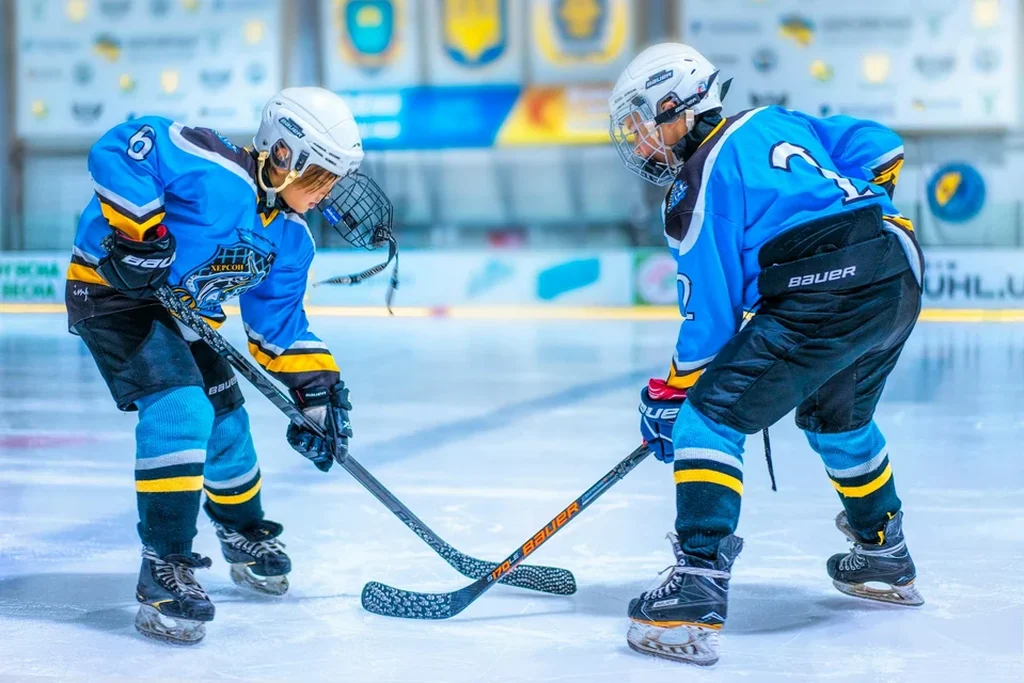
Connor McDavid Faceoff Percentage & Center Stats
For a player whose highlight reels are a masterclass in high-speed artistry, a discussion about faceoff percentage might seem mundane. Yet, for Connor McDavid, the very engine of the Edmonton Oilers, every detail of his game is magnified under the microscope of greatness. While his point totals, his breathtaking rushes, and his collection of the Art Ross Trophy and Hart Memorial Trophy rightfully dominate headlines, his evolution at the dot is a critical, often underrated, chapter in his story. This pillar guide dives deep into Connor McDavid faceoff statistics, contextualizing his performance within his role, the team's strategy, and what it means for the ultimate goal: a Stanley Cup championship.
Understanding McDavid's faceoff metrics is not about labeling a weakness but about appreciating the complete portrait of a centerman. It reveals tactical adjustments, showcases his relentless drive to improve every facet of his game, and highlights how the Edmonton Oilers construct their lineup to maximize the most dynamic talent in the NHL. From regular season deployment to the crucible of the Stanley Cup Playoffs, we will analyze the numbers, the trends, and the strategic implications behind every puck drop.
The Faceoff Baseline: McDavid's Career Numbers & Context
At first glance, Connor McDavid career faceoff percentage sits in a range that analysts often categorize as below the elite tier for primary centermen. Over his career, he has consistently posted percentages in the mid-to-high 40s. For comparison, the league's most proficient faceoff specialists often sustain percentages above 55% or even 60% over a season.
However, raw percentage only tells a fraction of the story. The context is paramount:
Volume and Difficulty: McDavid takes a massive number of draws, often exceeding 1,200 per season. He is deployed in all situations, including critical defensive zone starts and against the opposing team's top lines. This high-difficulty, high-volume workload naturally suppresses percentage compared to a specialist who takes only offensive-zone draws against weaker competition.
The Offensive Trade-Off: The primary function of Connor McDavid is not to win a faceoff and then defend. It is to win a faceoff and create instantaneous offense. His stance and readiness are often geared toward explosive movement the moment puck possession is secured, which can differ from the technique of a pure "faceoff winner" whose sole focus is tying up the opponent's stick.
Improvement Trajectory: Early in his career, faceoffs were a noted area for growth. Demonstrating the work ethic that defines him, McDavid has shown steady improvement, climbing from percentages in the low 40s as a rookie to more consistent performances in the 47-49% range in recent seasons—a significant jump given his challenging assignments.
Situational Breakdown: Where McDavid Takes His Draws
Not all faceoffs are created equal. The strategic mind of head coach Kris Knoblauch and his predecessors is clearly evident in how and where McDavid is deployed at the dot. A situational breakdown is crucial for a true analysis.
Even-Strength (5-on-5) Faceoffs
This is McDavid's most common battleground. Here, he faces the other team's best, often in shift-on-shift matchups designed to neutralize him. His percentage here is a direct reflection of that nightly challenge. The Edmonton Oilers frequently look to get him out for offensive zone draws, but his responsibility also means taking key defensive zone faceoffs, especially late in close games.
Power Play Faceoffs
On the Edmonton Oilers' lethal Power Play, possession is everything. Starting with the puck in the offensive zone is a massive advantage. McDavid, typically flanked by Leon Draisaitl, is the usual centerman on the top unit. His success rate on the Power Play is therefore a critical leading indicator for the unit's success. A win often leads to immediate setup and scoring chance generation, while a loss can waste precious seconds of the man advantage.
Defensive Zone & Shorthanded Faceoffs
This is the area of highest leverage and often where specialists are used. In recent seasons, the Oilers have increasingly shielded McDavid from the most taxing defensive zone draws, especially when killing penalties. Players like Ryan Nugent-Hopkins or a winger like Connor Brown might step in for key defensive faceoffs, allowing McDavid to conserve energy for offensive deployment. This smart management protects his percentage and, more importantly, optimizes his world-class skills.
The Strategic Ecosystem: How the Oilers Compensate and Optimize
The Edmonton Oilers do not need Connor McDavid to be a 60% faceoff man. They need him to be Connor McDavid. The roster construction and in-game strategy are built to support him in this specific area, turning a perceived individual "deficiency" into a collective strength.
The Leon Draisaitl Factor: This is the most significant element. Leon Draisaitl is not only an elite scorer but has developed into one of the NHL premier faceoff centermen, often posting percentages well above 50%. This gives Kris Knoblauch a devastating one-two punch. In crucial defensive zone faceoffs on the right side (Draisaitl's strong side), Draisaitl can take the draw, win it, and immediately get the puck to a streaking McDavid for transition. Their chemistry allows them to switch roles fluidly, confusing opponents.
Specialist Deployment: As mentioned, the use of other centers like Nugent-Hopkins for key defensive draws is a key tactical ploy. It ensures the team's best defensive faceoff takers are in the highest-leverage situations, regardless of who the "top line" center is on paper.
Focus on Possession Post-Draw: The Oilers system, particularly under Knoblauch, emphasizes quick support and puck retrieval. The philosophy isn't solely "win the draw cleanly," but "don't lose it cleanly." Creating a 50-50 puck battle that the Oilers wingers and defensemen are prepared to win is often an acceptable outcome, especially when McDavid's speed can be the difference in that ensuing battle.
Evolution and Improvement: Tracking McDavid's Progress
Connor McDavid is famously self-critical and dedicated to improvement. His faceoff journey is a testament to that. After a career-low 41.7% in his rookie season, the trend has been upward:
- Technical Refinement: Reports from practice consistently note McDavid's work on faceoff technique with coaches and teammates. He has expanded his repertoire of moves, becoming less predictable and stronger on his stick.
- Strength Gains: As McDavid has physically matured, his core and lower-body strength have improved, giving him a more stable base to withstand the push-and-pull of NHL faceoff battles.
- Situational Awareness: With experience, he has grown savvier in reading opposing centermen, anticipating their moves, and knowing when to simply tie up the draw and let his support win the fight.
This upward trajectory, while incremental, demonstrates that even the best player in the world identifies and addresses areas for growth—a mindset that fuels his sustained dominance. For a deeper dive into his overall statistical evolution, explore our comprehensive Connor McDavid stats analysis.
Faceoffs in the Playoff Crucible
The Stanley Cup Playoffs are a different beast. Matchups are tighter, space is minimized, and every single puck possession is magnified. How does McDavid's faceoff performance hold up under postseason pressure?
Historically, his playoff faceoff percentage has mirrored his regular-season numbers, with some fluctuations based on specific series matchups. The intensity and heightened focus from opponents can make draws even more challenging. However, this is also where the Edmonton Oilers strategic adaptations shine brightest.
In a playoff series, the coaching staff can hyper-focus on matchups. You might see Draisaitl take an even higher percentage of defensive zone faceoffs when the Oilers are protecting a lead. Conversely, the team will work tirelessly to get McDavid out for offensive zone draws, particularly after an icing call against the opponent. The performance of goaltender Stuart Skinner also plays a role; a strong, confident goalie behind them allows the centermen to be more aggressive on faceoffs, knowing a quick shot off a lost draw might be handled.
Practical Implications: What the Numbers Mean for Fans and Fantasy
For the avid fan or fantasy hockey manager, understanding these nuances adds a layer of depth to watching the game.
In-Game Watch Points: Pay attention to who is taking the draw in the defensive zone with a one-goal lead in the third period. If it's Draisaitl instead of McDavid, that's not a demotion; it's smart hockey. Notice how often McDavid's wingers jump immediately into the circle scrum after a draw—this is by design.
Fantasy Hockey Context: In leagues that count faceoff wins, McDavid is a volume play who will contribute but won't be a category leader. His value is astronomically higher in points, shots, and assists. The savvy fantasy move is to pair him with a true faceoff specialist later in your draft, rather than expecting him to anchor that category.
* Measuring True Impact: Judge McDavid's faceoff night not just by his percentage, but by the results that follow. Did a lost draw in the offensive zone lead to a quick turnover and a scoring chance the other way? Or did his line quickly regain possession and establish cycle? The latter is a successful outcome, even if the stat sheet credits him with a loss.
Conclusion: The Complete Picture of a Centerman
Connor McDavid faceoff percentage is a single data point in a constellation of generational statistics. It does not define him, but the story around it—the consistent improvement, the strategic accommodations by the Edmonton Oilers, and his willingness to engage in the gritty details of the game—absolutely does.
He has evolved from a player for whom faceoffs were a clear weakness to a competent, situationally effective centerman at the dot, all while maintaining his status as the most explosive offensive force in the NHL. The Oilers, led by Kris Knoblauch, have intelligently built a system that mitigates any shortfall by leveraging the exceptional skills of Leon Draisaitl and a structured support system. This holistic approach is what turns a collection of talents into a championship contender.
As the Oilers continue their pursuit of the Stanley Cup, every faceoff in Rogers Place will carry weight. But with Connor McDavid, the focus remains where it should be: on what happens the moment after the puck is dropped. Because that's where magic, and history, is made.
Stay tuned to Oilers Insider for all the latest data, breakdowns, and stories on Connor McDavid and the Edmonton Oilers' quest for the Cup.
Reader Comments (5)