

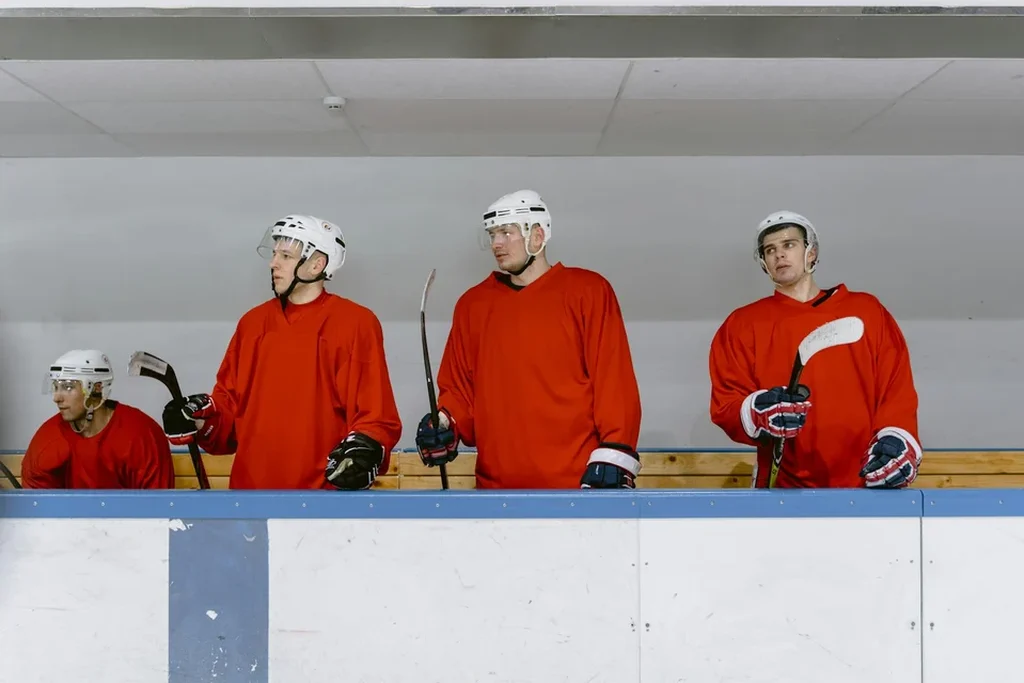
Case Study: The 2006 Oilers Cinderella Cup Final Run
Executive Summary
In the storied history of the Edmonton Oilers, the 2006 Stanley Cup Playoffs stand as a singular, magical anomaly. This case study dives deep into a postseason run that defied every expectation. A team that barely qualified for the dance, written off by pundits and fans alike, embarked on a breathtaking journey that captivated a city and reminded the entire National Hockey League of the raw, unpredictable drama that makes the quest for the Stanley Cup so special. It was a run built not on superstar firepower, but on relentless grit, opportunistic scoring, and legendary goaltending. While the ultimate prize slipped away in Game 7 of the final, the 2006 Oilers authored a story of resilience and collective will that remains a defining chapter in the franchise's lore, a stark and fascinating contrast to the Connor McDavid and Leon Draisaitl-led powerhouse eras that would follow.
Background / Challenge
To understand the sheer improbability of the 2006 run, you must first understand the landscape. The Oilers of the early 2000s were trapped in a cycle of mediocrity. The dynasty ghosts of the 80s felt more distant than ever, and the team had missed the postseason for five consecutive years. The 2005-06 regular season did little to inspire confidence. Edmonton finished with a modest 95 points, squeaking into the eighth and final playoff spot in the Western Conference by a mere two points.
The roster was a curious mix. It lacked a true, game-breaking superstar—a far cry from today's era where the Oilers boast the Art Ross Trophy and Hart Memorial Trophy winners in McDavid and Draisaitl. The leading scorer was Ales Hemsky, a dazzling but inconsistent talent. The defense was anchored by the steady Chris Pronger, a towering force acquired in a blockbuster trade, and a young, hard-nosed Jason Smith. In net, the situation was a question mark, with veteran Dwayne Roloson arriving at the trade deadline to share duties with Jussi Markkanen.
The challenges were monumental:
Low Expectations: As the 8th seed, they were massive underdogs in every single series.
Scoring Concerns: They ranked 14th in the league in goals for, lacking a consistent, high-octane attack.
Playoff Inexperience: Many key players had little to no postseason mileage.
The Gauntlet Ahead: The path to the final meant potentially going through the top three teams in the entire West.
The mission was simple, if seemingly impossible: survive and advance, one game at a time, against the league's best.
Approach / Strategy
Head coach Craig MacTavish, a veteran of the Oilers' last Stanley Cup win in 1990, instilled a system perfectly tailored for playoff hockey. This wasn't about out-skilling opponents with a devastating Power Play (though they had moments); it was about out-willing them. The strategy was a masterclass in pragmatic, defensive-minded hockey.
- Defense-First Identity: The system prioritized structure above all else. It was about relentless back-checking, shot-blocking, and making the neutral zone a nightmare to navigate. Every player, from the top line to the fourth, was committed to a 200-foot game. This was the antithesis of a run-and-gun style; it was a grinding, suffocating approach designed to win tight, low-scoring games.
- Opportunistic Offense: With a lack of elite finishers, the Oilers relied on creating chaos. They forechecked aggressively to force turnovers, capitalized ruthlessly on opponent mistakes, and scored a disproportionate number of "greasy" goals from in tight. The mantra was "pucks to the net and bodies to the crease."
- Goaltending as the Foundation: The trade for Dwayne Roloson in March was the season's pivotal moment. He wasn't just a goalie; he was the strategic keystone. The entire team played with the confidence that "Roli" would make the key save, allowing them to commit fully to their defensive structure without fear. He was the ultimate safety net.
- Veteran Leadership: Chris Pronger logged nearly 30 minutes a night, a true force at both ends. Captain Jason Smith embodied the team's heart-and-soul ethos. These leaders, combined with MacTavish's calm demeanor, kept the team focused on the immediate task, never looking too far ahead.
Implementation Details
The execution of this strategy on the ice was a thing of beauty for Oilers fans. Each series was a tactical war of attrition.
Round 1 vs. Detroit Red Wings (1st in West): The mighty Red Wings, with 124 points, were the ultimate test. The Oilers' relentless pressure disrupted Detroit's precise system. After falling behind 2-0 in the series, they clawed back. The turning point was a triple-overtime victory in Game 3, a marathon win that broke the Red Wings' spirit. Roloson stood on his head, and the Oilers completed the stunning upset in six games.
Round 2 vs. San Jose Sharks: This series was a brutal, physical clash. The Oilers' defensive shell frustrated the Sharks' skilled forwards. Fernando Pisani, a checking forward, began his unexpected transformation into a playoff legend. Again, the series went six games, with Edmonton's discipline and timely scoring proving decisive.
Western Conference Final vs. Mighty Ducks of Anaheim: Facing another hot goalie in Ilya Bryzgalov, the Oilers' formula faced its stiffest test. The series was a defensive slog. The hero? Fernando Pisani again, who scored the series-winning goal in Game 5—a shorthanded breakaway in the third period that is etched in playoff lore. The 1-0 victory was the purest expression of their identity: defend, wait for your chance, and seize it.
The run was not without catastrophic adversity. In Game 1 of the Stanley Cup Final against the Carolina Hurricanes, with the score tied, Dwayne Roloson suffered a series-ending knee injury. The foundation was shattered. Backup Ty Conklin's error led to a heartbreaking loss. Forced to turn to third-stringer Jussi Markkanen, the entire strategy had to be recalibrated on the fly.
Results (Use Specific Numbers)
The raw numbers tell the story of an against-all-odds campaign:
41: The number of days the Oilers' playoff journey lasted, from April 21 to June 19.
24: Playoff games played, the maximum possible except for the final game.
16-8: Their record through the first three rounds, defeating the 1st, 5th, and 6th seeds.
.927: Dwayne Roloson's save percentage before his injury, the backbone of the entire run.
14: Playoff goals scored by Fernando Pisani, who had only 18 in the regular season. He led all playoff scorers.
5: Shorthanded goals scored by the Oilers in the postseason, a testament to their aggressive, opportunistic style.
4-3: The score in the climactic Game 7 of the Stanley Cup Final, a loss to the Carolina Hurricanes. After forcing a Game 7 without their MVP goalie, they fought to the final buzzer, falling just one win short of the ultimate prize.
The result was a bittersweet Stanley Cup Finalist finish. While they did not capture the championship, they achieved something perhaps more memorable: they created a legacy of perseverance. They restored pride in the Oilers crest and gave a generation of fans a playoff run for the ages. The financial and emotional impact on the city of Edmonton was immense, fueling the eventual drive for a new arena, which would later become Rogers Place.
Key Takeaways
The 2006 run offers timeless lessons for any team, in any sport:
- A System Can Beat Talent on Any Given Night: The Oilers proved that a cohesive, all-in commitment to a structured game plan can neutralize superior skill. Every player knew and executed his role perfectly.
- Goaltending is a Playoff Catalyst: A hot goalie can single-handedly define a series, or even an entire run. Roloson's performance elevated the entire team's confidence and capability.
- Heroes Emerge from the Unlikeliest Places: Playoffs are defined by unexpected contributors. Fernando Pisani’s story is the ultimate example of a role player rising to legendary status when it matters most.
- Resilience is Non-Negotiable: From being down 2-0 to Detroit, to losing their starting goalie in the final, the Oilers faced soul-crushing setbacks. Their ability to absorb the blow and keep fighting was their most admirable trait.
- The Margin Between Victory and Defeat is Razor-Thin: That 2006 team was one win—one bounce, one save—away from winning the Stanley Cup. It’s a poignant reminder of how fine the line is in the postseason, a lesson that resonates with the current Oilers as they chase their own championship dreams under head coach Kris Knoblauch, with Stuart Skinner in net and depth players like Connor Brown looking to make their mark.
Conclusion
The 2006 Edmonton Oilers did not win the Stanley Cup. But in many ways, they won something else: a permanent place in the heart of hockey. Their run was a pure, unadulterated Cinderella story, a testament to the old adage that once you get into the playoffs, anything can happen.
It stands in fascinating contrast to the current era. Today, the Oilers' strategy is often built around the transcendent talent of Connor McDavid and Leon Draisaitl, leveraging a historically great Power Play to overwhelm opponents. The 2006 blueprint was the opposite—a collective, defensive grind. Both approaches are valid paths to success, and studying 2006 reminds us that playoff hockey has many different winning formulas.
For fans, it was a magical, unifying event. It proved that hope is never lost, that underdogs can have their day, and that the Stanley Cup Playoffs remain the greatest show in sports because of stories just like this one. The 2006 Oilers didn't just play hockey; they authored a fairy tale, and even though the final page didn't have the perfect ending, the story itself is one we'll never stop telling.
Want to relive more historic moments? Explore our complete history of Oilers playoff runs or read about the franchise's ultimate triumphs in our guide to Oilers Stanley Cup championship years.
Reader Comments (1)